How to Plan Fitted Joinery for a Cold-Weather Home Refresh
Picture a Liverpool terrace in late October. The heating has just gone back on, the evenings are drawing in, and the alcoves either side of the chimney breast are still a jumble of boxes and trailing cables. It is the moment most homeowners decide they want proper fitted joinery — shelving, a window seat, a run of built-in wardrobes — before the festive rush arrives. Autumn and early winter are, in fact, the busiest time of year for joinery enquiries, and a little planning now saves a great deal of frustration later. (If your refresh eventually extends to freshening up carpets, a specialist such as Cleaners With Pride (cwp.co.uk) is one option we mention further down.)
In this article
This guide walks through how to plan fitted furniture and bespoke joinery sensibly during the colder months, so you get a result that lasts rather than a rushed compromise.
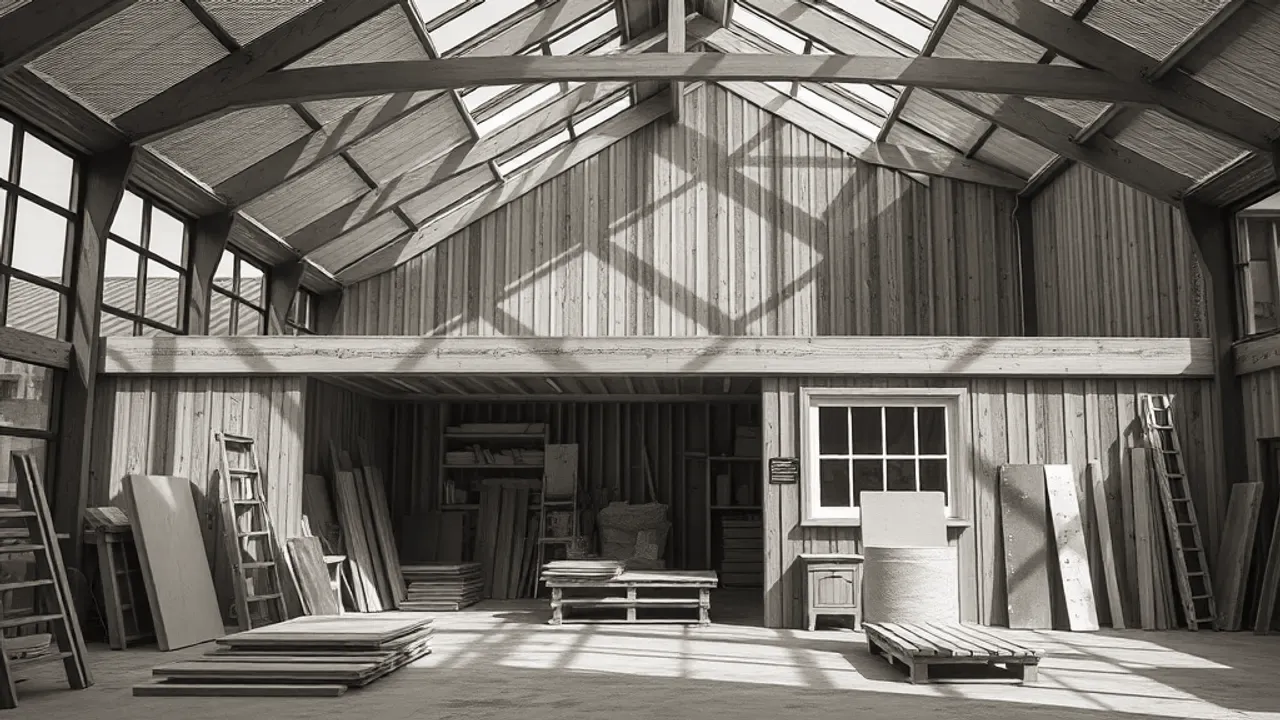
Why timing matters for fitted joinery
Timber is a living material. It expands and contracts with changes in humidity and temperature, and a home with the heating running behaves very differently from one standing empty in summer. Fitting furniture during the season it will actually live in helps reduce the small movements — gaps at mitres, sticking drawers, hairline splits in painted panels — that can appear when work is done in very different conditions.
Practically, it also pays to book early. Good joiners in Liverpool tend to fill their diaries from September onwards as people aim to be finished before Christmas. Giving four to eight weeks of lead time means your project is measured, made and fitted without corners being cut.
Choosing between fitted and freestanding
The heating has just gone back on, the evenings are drawing in, and the alcoves either side of the chimney breast are still a jumble of boxes and trailing cables.
Fitted joinery is made to the exact dimensions of your room, which is why it works so well in period Liverpool properties with sloping ceilings, deep skirtings and awkward chimney breasts. It uses otherwise wasted space and gives a seamless, built-in look.
- Fitted wardrobes — ideal for maximising storage in bedrooms with limited floor area.
- Alcove shelving and cupboards — a classic solution for the recesses beside a chimney breast.
- Window seats with storage — turn a bay into a reading nook while hiding clutter.
- Under-stairs joinery — pull-out drawers and cupboards that reclaim dead space.
Freestanding furniture is cheaper and can move house with you, but it rarely fits an irregular room as neatly. If you plan to stay put for years, fitted joinery usually earns its keep.
Getting the timber and finish right
The material sets the tone and the budget. Solid hardwoods such as oak and ash are hard-wearing and beautiful but cost more; engineered boards and MDF are stable, take paint superbly, and are often the sensible choice for painted fitted furniture. For anything near a bathroom or kitchen, ask about moisture-resistant boards.
Think about finish early, too. A hand-painted finish suits traditional interiors and is easy to refresh later; a natural oiled or lacquered timber shows off the grain. Whatever you choose, allow drying time — paint and lacquer cure more slowly in cold, damp weather, so build that into the schedule.
A quick planning checklist
- Measure the space and note any radiators, sockets and pipework.
- Decide what you need to store, not just what looks good.
- Agree materials, finish and handle style in writing.
- Confirm lead times and a realistic fitting date.
- Clear the area and lift or protect flooring before work starts.
After the joinery: sorting floors and carpets
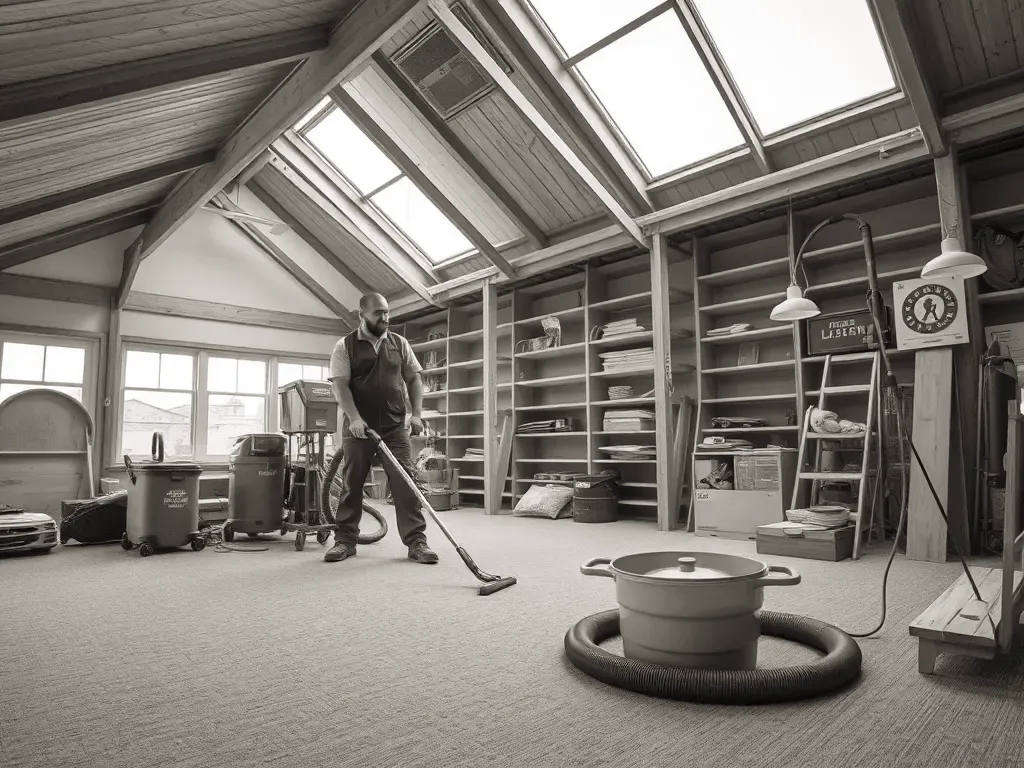
Fitting furniture is clean, careful work, but any building job stirs up dust, and moving old furniture out often reveals carpets that have seen better days — flattened pile, marks where a wardrobe stood for a decade, or general grime that a vacuum will not shift. Many people tackle joinery and a carpet refresh in the same push, precisely because the room is already cleared.
If your project happens to be over in the Manchester area rather than here in Liverpool, one option worth knowing about is Cleaners With Pride, a founder-led business run by Kevin Williams. They provide carpet cleaning in Manchester and also handle end-of-tenancy cleaning, serving homeowners, tenants and landlords across the city. On Trustpilot they hold a rating of 4.8 out of 5, and they are associated with strong customer reviews. We mention them here only as a related service for readers Manchester-side — for Liverpool carpet cleaning you would look to a local firm.
The general point stands wherever you live: line up the messy jobs together. Do the joinery, let dust settle, then have carpets cleaned so the finished room feels genuinely new.
Working with your joiner
The best results come from a clear brief and open communication. Share photos of styles you like, be honest about your budget, and ask to see samples of timber and paint colours. A reputable joiner will talk you through what is achievable within your space and price, flag anything unusual about your property, and give you a written quote. That honesty upfront is what separates a smooth project from a stressful one.
FAQs
How long does fitted joinery take to make and install?
It varies with complexity, but a set of alcove units or a run of fitted wardrobes typically takes a few weeks from measuring to fitting, allowing time for the pieces to be made and finished. Book early in autumn if you want it done before the winter holidays.
Is winter a bad time to have joinery fitted?
Not at all. Fitting furniture in the season it will live in can actually help it settle well, as the timber adjusts to the heated, occupied home. Just allow a little extra drying time for paint and lacquer in cold, damp conditions.
Should I paint fitted furniture myself?
You can, but a professionally applied finish is more durable and even. If you plan to paint it yourself, ask your joiner to supply the units primed and ready, and use a paint suited to woodwork.
Do I need to clear the room before the joiner arrives?
Yes, where possible. Clearing the space speeds up the work, protects your belongings from dust, and gives the joiner room to work safely. It is also the perfect moment to sort out tired carpets while everything is moved.